

Introduction: The Critical Role of Fiber Optic Certification
Modern networks increasingly rely on fiber optic cabling for speed and reliability. Unfortunately, many businesses install fiber without proper certification and testing. Consequently, they experience mysterious performance problems that are difficult to diagnose. Moreover, uncertified fiber installations often fail to deliver the bandwidth and reliability they promise.
Professional fiber optic certification ensures your infrastructure performs exactly as designed. Additionally, proper testing documents that your network meets industry standards and manufacturer specifications. Therefore, understanding fiber certification protects your infrastructure investment and prevents costly problems. This comprehensive guide explains why fiber certification matters and how it differs from traditional copper testing.
Understanding Fiber Optic Technology Fundamentals
How Fiber Optics Work
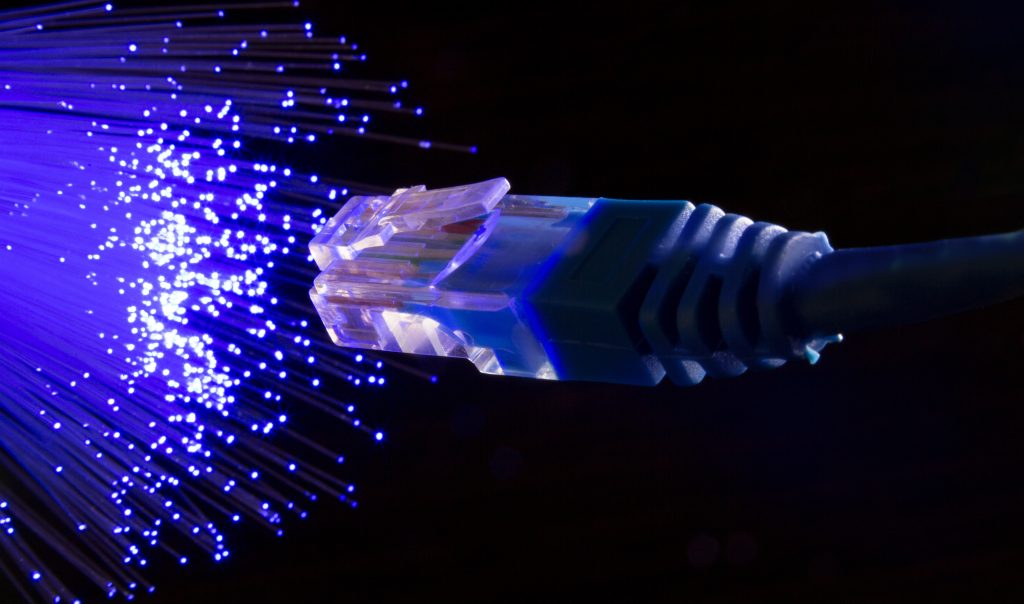
First, fiber optic cables transmit data using light pulses instead of electrical signals. For example, lasers or LEDs send light through ultra-pure glass fibers thinner than human hair. Similarly, the light reflects internally through the fiber over long distances with minimal signal loss. Moreover, fiber cables are immune to electromagnetic interference that plagues copper systems. Therefore, fiber delivers superior performance in challenging environments.
Single-Mode vs Multi-Mode Fiber
Next, understanding the two main fiber types helps with proper network infrastructure planning. For instance, single-mode fiber uses a narrow core (9 microns) that allows light to travel in one path. Consequently, single-mode supports longer distances up to 40 kilometers or more. Meanwhile, multi-mode fiber has a wider core (50 or 62.5 microns) allowing multiple light paths. Therefore, multi-mode works well for shorter distances up to 550 meters but costs less than single-mode.
Key differences between fiber types:
- Single-Mode: Long distance, higher cost, laser light sources, 9-micron core
- Multi-Mode: Short distance, lower cost, LED light sources, 50/62.5-micron core
- Single-Mode: Supports 10G, 40G, 100G+ over long distances
- Multi-Mode: Supports 10G up to 300-550 meters depending on type
Fiber vs Copper: Making the Right Infrastructure Choice
Performance and Bandwidth Comparison
When evaluating fiber vs copper for network infrastructure, performance differences are dramatic. For example, copper cabling maxes out at 10 Gigabit speeds over 100 meters with Category 6A. However, fiber easily supports 100 Gigabit and beyond over much longer distances. Similarly, fiber bandwidth capacity continues increasing with equipment upgrades without replacing cables. Therefore, fiber provides superior future-proofing for growing bandwidth demands.
Distance Limitations and Signal Quality
Moreover, distance limitations clearly favor fiber optic infrastructure. For instance, copper Ethernet cables are limited to 100 meters before requiring signal regeneration. Conversely, multi-mode fiber extends 550 meters while single-mode reaches 40+ kilometers. Additionally, fiber maintains perfect signal quality over these distances without degradation. Consequently, fiber eliminates the need for intermediate switches and equipment rooms in large facilities.
Environmental Resistance and Reliability
Furthermore, fiber excels in challenging environments where copper fails. For example, fiber is completely immune to electromagnetic interference from motors, generators, and electrical systems. Similarly, fiber doesn’t conduct electricity, eliminating ground loop problems and lightning damage risks. Moreover, fiber resists moisture, temperature extremes, and corrosive environments better than copper. Therefore, fiber delivers superior reliability in industrial, outdoor, and harsh environments.
Security and Data Protection
Additionally, fiber provides inherent security advantages over copper cabling. For instance, tapping fiber optic cables without detection is extremely difficult. Similarly, fiber doesn’t emit electromagnetic signals that can be intercepted. Moreover, any attempt to access fiber physically disrupts the light transmission, triggering immediate alerts. Consequently, fiber offers superior protection for sensitive data and secure communications.
Why Fiber Optic Certification Is Essential
The Dangers of Uncertified Fiber Installation
Many businesses install fiber without proper certification, creating serious problems. For example, poor connector terminations cause excessive signal loss that limits performance. Similarly, dirty connectors or damaged fiber cores create intermittent connectivity issues. Moreover, improper bend radius during installation permanently damages fiber strands. Therefore, uncertified installations often fail to deliver expected performance despite using quality materials.
What Professional Certification Verifies
Professional fiber optic certification comprehensively tests every aspect of your fiber infrastructure. For instance, technicians measure insertion loss across the entire link to verify signal strength. Additionally, they test return loss to identify reflections that degrade performance. Moreover, they verify proper connector polarity and fiber continuity. Consequently, certification proves your fiber installation meets or exceeds industry standards.
Comprehensive fiber certification includes:
- Insertion loss testing measuring signal attenuation
- Return loss testing identifying reflections and impedance issues
- Optical time-domain reflectometry (OTDR) for fault location
- Connector end-face inspection using microscopes
- Polarity verification ensuring proper fiber pairing
- Length measurement for documentation
- Detailed certification reports with pass/fail criteria
Industry Standards and Compliance
Furthermore, certified fiber installations comply with established industry standards. For example, TIA-568 standards specify maximum insertion loss and return loss values. Similarly, ISO/IEC standards define testing procedures and performance requirements. Moreover, equipment manufacturers require certified cabling for warranty coverage. Therefore, professional certification protects your investment and ensures compliance with all applicable standards.
The Fiber Optic Certification Process
Pre-Installation Planning and Design
Successful fiber projects begin with thorough planning and design. First, engineers assess your bandwidth requirements and distance needs. Additionally, they determine whether single-mode or multi-mode fiber best suits your application. Moreover, they plan cable routes avoiding sharp bends and excessive tension. Therefore, proper network infrastructure planning prevents installation problems that certification would later reveal.
Installation Best Practices
Next, professional installers follow strict procedures that ensure certifiable results. For instance, they maintain minimum bend radius throughout cable routing to prevent fiber damage. Similarly, they use proper cable support and strain relief at all termination points. Moreover, they clean and inspect every connector before and after termination. Consequently, installations meet certification requirements on the first test without expensive rework.
Testing Equipment and Methodology
Furthermore, professional fiber optic certification requires sophisticated testing equipment. For example, optical loss test sets (OLTS) measure insertion loss using calibrated light sources and power meters. Similarly, OTDR equipment locates faults and measures fiber characteristics over distance. Additionally, fiber inspection microscopes verify connector end-face quality at 200-400x magnification. Therefore, proper equipment investment ensures accurate, reliable certification results.
Documentation and Reporting
Moreover, comprehensive documentation accompanies professional fiber certification. For instance, detailed reports show test results for every fiber strand in every cable. Similarly, reports include pass/fail status against applicable standards. Additionally, documentation includes fiber maps showing connections and labeling. Consequently, you receive complete records for troubleshooting, maintenance, and future expansion planning.
Common Fiber Optic Installation Problems
Connector Contamination and Damage
Dirty or damaged connectors cause the majority of fiber performance problems. For example, microscopic dust particles on connector end-faces block light transmission. Similarly, scratches or chips on fiber cores create excessive insertion loss. Moreover, improper connector installation damages fiber during termination. Therefore, professional installers inspect every connector under magnification before and after installation to ensure cleanliness and quality.
Excessive Bend Radius Violations
Next, bending fiber too sharply causes permanent damage and signal loss. For instance, standard fiber requires minimum 10x cable diameter bend radius during installation. Similarly, long-term installation bends must maintain 15x cable diameter or greater. Moreover, tight bends stress the glass fiber causing microfractures that worsen over time. Consequently, fiber optic certification often reveals bend-related problems that proper installation would have prevented.
Improper Splicing and Termination
Additionally, poor splicing and termination techniques create excessive loss. For example, misaligned fiber cores at splice points block light transmission. Similarly, improper connector polishing leaves rough surfaces that scatter light. Moreover, contamination during splicing introduces permanent defects. Therefore, professional technicians use precision equipment and follow strict procedures ensuring low-loss connections.
Cable Stress and Physical Damage
Furthermore, excessive pulling tension or crushing damage fiber during installation. For instance, pulling fiber through conduit with too much force stretches and breaks glass strands. Similarly, pinching fiber in cable trays or under equipment damages the protective jacket and fiber. Moreover, inadequate strain relief at termination points stresses connectors causing failures. Consequently, proper installation techniques and certification testing prevent these common problems.
When to Choose Fiber vs Copper Infrastructure
Ideal Applications for Fiber Optic Cabling
Certain applications clearly benefit from fiber optic infrastructure. For example, building-to-building connections always use fiber for distance and isolation. Similarly, data center interconnections require fiber’s high bandwidth and reliability. Moreover, industrial environments with heavy electromagnetic interference need fiber’s immunity. Therefore, understanding when fiber vs copper makes sense guides proper infrastructure decisions.
Choose fiber for these scenarios:
- Distances exceeding 100 meters between network equipment
- Bandwidth requirements above 10 Gigabit Ethernet
- Environments with significant electromagnetic interference
- Outdoor or underground cable runs
- Lightning-prone areas requiring electrical isolation
- High-security applications requiring tap-proof cabling
- Future-proofing for bandwidth growth beyond current needs
When Copper Cabling Remains Appropriate
Conversely, copper cabling still makes sense for many applications. For instance, desktop connections under 100 meters work perfectly with Category 6A copper. Similarly, Power over Ethernet devices like access points and cameras require copper connectivity. Moreover, copper costs less for short-distance connections where fiber’s advantages aren’t needed. Therefore, most networks use hybrid approaches combining fiber backbones with copper access layers.
Hybrid Network Architecture Strategy
Furthermore, optimal network infrastructure planning typically combines both technologies strategically. For example, fiber connects buildings and floors while copper serves individual workstations. Similarly, fiber provides high-speed switch-to-switch connections while copper delivers PoE to endpoints. Additionally, this hybrid approach balances performance, cost, and flexibility. Consequently, you get fiber’s benefits where they matter most while controlling costs with copper where appropriate.
The Cost-Benefit Analysis of Fiber Certification
Initial Investment vs Long-Term Value
Professional fiber optic certification adds upfront costs but delivers substantial long-term value. For instance, certification typically adds 15-25% to installation costs. However, it eliminates expensive troubleshooting and rework when problems arise. Moreover, certified installations perform reliably for 15-20 years without issues. Therefore, the initial investment pays for itself many times over through prevented downtime and support costs.
Preventing Costly Troubleshooting
Next, uncertified fiber creates expensive troubleshooting nightmares. For example, intermittent problems without documentation require testing every connection to find faults. Similarly, performance issues may require complete recabling when proper certification would have identified problems immediately. Moreover, emergency troubleshooting costs premium rates compared to planned certification. Consequently, certification prevents these expensive scenarios entirely.
Warranty Protection and Compliance
Additionally, certification provides essential warranty protection and compliance documentation. For instance, equipment manufacturers require certified cabling for full warranty coverage. Similarly, many contracts and regulations mandate certified infrastructure. Moreover, certification reports prove compliance during audits and inspections. Therefore, certification protects your investment beyond just performance verification.
Future Expansion and Upgrades
Furthermore, certified fiber documentation simplifies future expansion and upgrades. For example, detailed fiber maps show exactly which strands are available for new connections. Similarly, certification reports help plan equipment upgrades by documenting current performance margins. Additionally, certified infrastructure maintains value when selling or leasing properties. Consequently, certification benefits extend far beyond initial installation.
Fiber Optic Maintenance and Ongoing Testing
Regular Inspection and Cleaning
Fiber optic infrastructure requires minimal but important ongoing maintenance. For instance, inspect connector end-faces periodically for contamination or damage. Similarly, clean connectors before making any changes or additions to the network. Moreover, verify that cable support and protection remain intact. Therefore, simple maintenance procedures keep certified fiber performing optimally for decades.
Documentation Updates and Records
Next, maintain accurate documentation as your fiber network evolves. For example, update fiber maps when adding new connections or equipment. Similarly, document any repairs or modifications with new test results. Moreover, keep certification reports accessible for troubleshooting and planning. Consequently, current documentation ensures efficient maintenance and future expansion.
Troubleshooting with Certification Data
Additionally, original certification data provides invaluable troubleshooting baselines. For instance, comparing current test results to original certification identifies degradation or damage. Similarly, OTDR traces pinpoint exact fault locations in long fiber runs. Moreover, having baseline data eliminates guesswork when problems occur. Therefore, certification documentation serves as a permanent troubleshooting resource.
Choosing Professional Fiber Installation Partners
Required Certifications and Experience
Selecting qualified fiber installers ensures successful certified installations. For example, look for technicians with Fiber Optic Association (FOA) certifications. Similarly, verify they have experience with your specific fiber type and application. Moreover, ask for references from similar projects they’ve completed. Therefore, working with certified professionals guarantees quality results.
Essential installer qualifications:
- FOA Certified Fiber Optic Technician (CFOT) credentials
- Specialized training in fiber splicing and termination
- Experience with both single-mode and multi-mode fiber
- Professional-grade testing equipment (OLTS, OTDR, microscopes)
- Proven track record with similar installations
- Comprehensive insurance and warranty coverage
- Detailed documentation and reporting capabilities
Questions to Ask Potential Installers
Next, ask specific questions that reveal installer expertise and capabilities. For instance, inquire about their fiber optic certification process and equipment. Similarly, ask to see sample certification reports from recent projects. Moreover, discuss their approach to quality control and testing procedures. Therefore, you can evaluate their commitment to certified quality before signing contracts.
Understanding Proposals and Pricing
Furthermore, evaluate proposals carefully to ensure certification is included. For example, verify that testing and documentation are explicitly listed in the scope of work. Similarly, confirm what standards the installation will meet. Additionally, understand what warranty coverage accompanies certified installations. Consequently, you avoid surprises and ensure you receive complete certified solutions.
Fiber Optic Technology Trends and Future Considerations
Emerging Higher-Speed Standards
Fiber optic technology continues advancing with higher-speed capabilities. For instance, 400 Gigabit Ethernet is now available with 800G and 1.6T standards emerging. Similarly, these speeds work over existing fiber infrastructure with equipment upgrades only. Moreover, properly installed and certified fiber supports these advances without recabling. Therefore, investing in quality fiber installation and fiber optic certification protects against technology obsolescence.
Bend-Insensitive Fiber Innovations
Next, newer bend-insensitive fiber types simplify installation in tight spaces. For example, G.657 fiber maintains performance with much tighter bend radius than traditional fiber. Similarly, this technology enables fiber deployment in applications previously limited to copper. Moreover, bend-insensitive fiber reduces installation costs and expands fiber applications. Consequently, network infrastructure planning increasingly favors fiber for more applications.
Integration with Emerging Technologies
Additionally, fiber infrastructure supports emerging technologies like 5G, IoT, and edge computing. For instance, 5G small cells require high-bandwidth fiber backhaul connections. Similarly, edge computing facilities need reliable high-speed connectivity. Moreover, massive IoT deployments aggregate through fiber networks. Therefore, certified fiber infrastructure positions your organization for future technology adoption.
Real-World Applications and Success Stories
Campus and Multi-Building Networks
Fiber excels in connecting multiple buildings across campuses or business parks. For example, single-mode fiber easily spans distances between buildings without intermediate equipment. Similarly, fiber provides electrical isolation preventing ground loop problems between buildings. Moreover, certified fiber installations deliver reliable connectivity for decades. Therefore, campus networks depend on professional fiber optic certification for long-term reliability.
Data Centers and High-Performance Computing
Next, data centers require fiber’s high bandwidth and low latency characteristics. For instance, server-to-switch connections increasingly use fiber for 25G, 40G, and 100G speeds. Similarly, storage area networks depend on fiber for reliable high-speed connectivity. Moreover, data center fiber must meet strict performance specifications verified through certification. Consequently, data center operators demand certified fiber installations exclusively.
Industrial and Manufacturing Facilities
Furthermore, industrial environments benefit dramatically from fiber’s EMI immunity and reliability. For example, fiber runs near heavy machinery without interference from motors and drives. Similarly, fiber withstands harsh conditions that quickly damage copper cabling. Additionally, fiber supports industrial automation and control systems requiring deterministic performance. Therefore, modern manufacturing increasingly relies on certified fiber infrastructure.
Healthcare and Medical Facilities
Moreover, healthcare facilities depend on fiber for reliable, secure connectivity. For instance, medical imaging systems generate massive data requiring high-bandwidth fiber connections. Similarly, fiber’s security characteristics protect sensitive patient information. Additionally, fiber’s reliability ensures critical systems remain operational. Consequently, healthcare IT infrastructure planning prioritizes certified fiber for mission-critical applications.
Taking Action: Planning Your Fiber Infrastructure Project
Assessing Your Current and Future Needs
Start your fiber project by thoroughly assessing requirements. For example, document current bandwidth usage and growth projections. Similarly, identify distance requirements between network equipment locations. Moreover, consider future applications and technology plans. Therefore, comprehensive needs assessment guides proper fiber type selection and network infrastructure planning.
Developing Project Timeline and Budget
Next, create realistic timelines and budgets including all project phases. For instance, factor in design time, equipment procurement, installation, and certification. Similarly, include contingency budgets for unexpected challenges. Moreover, plan installation timing to minimize operational disruption. Consequently, proper planning ensures successful project completion on time and within budget.
Selecting the Right Technology Mix
Additionally, determine the optimal balance of fiber vs copper for your specific needs. For example, use fiber for backbone connections and long-distance runs. Similarly, deploy copper for desktop connections and PoE devices. Moreover, consider future expansion and technology evolution. Therefore, strategic technology selection maximizes performance while controlling costs.
Key planning considerations:
- Current an
d projected bandwidth requirements - Distance between network equipment locations
- Environmental conditions and challenges
- Budget constraints and phasing options
- Future expansion and technology plans
- Compliance and certification requirements
- Timeline constraints and operational windows
UniFi Network Solutions and Fiber Integration
UniFi Switches with SFP+ Fiber Ports
Similarly, these ports deliver 1 Gigabit and 10 Gigabit speeds over fiber connections. Moreover, UniFi’s centralized management simplifies monitoring fiber links alongside copper infrastructure. Therefore, UniFi provides complete solutions combining fiber backbones with copper access layers.
Building-to-Building Connectivity
Next, UniFi excels at connecting multiple buildings with fiber infrastructure. For instance, fiber SFP modules connect UniFi switches across campus environments. Similarly, UniFi’s Layer 3 routing capabilities enable efficient inter-building communication. Moreover, the unified management platform monitors all locations from a single interface. Consequently, UniFi simplifies multi-building network deployment and management with certified fiber connections.
Hybrid Copper and Fiber Architectures
Furthermore, UniFi supports optimal hybrid architectures combining both technologies. For example, use fiber for switch-to-switch uplinks while copper serves endpoints. Similarly, fiber connects distribution switches while copper delivers PoE to access points and cameras. Additionally, UniFi’s consistent management interface handles both connection types seamlessly. Therefore, you get the best of both worlds with unified management and fiber optic certification where it matters most.
Scalability and Future Growth
Moreover, UniFi’s fiber support ensures your network scales with growing demands. For instance, upgrading from 1G to 10G fiber connections requires only SFP module changes, not recabling. Similarly, adding new buildings or floors integrates seamlessly into existing UniFi infrastructure. Additionally, UniFi equipment supports the latest fiber standards as they emerge. Consequently, UniFi with certified fiber provides long-term scalability and investment protection.
Common Mistakes to Avoid in Fiber Projects
Skipping Professional Certification
The most costly mistake is skipping professional fiber optic certification to save money. For example, uncertified installations create ongoing problems that cost far more than certification. Similarly, troubleshooting uncertified fiber wastes time and resources. Moreover, you lack documentation proving your infrastructure meets specifications. Therefore, always insist on complete certification regardless of project size or budget constraints.
Choosing Fiber Type Based Only on Cost
Next, selecting fiber type based solely on initial cost creates limitations. For instance, multi-mode fiber costs less but limits future speed upgrades. Similarly, using OM3 instead of OM4 multi-mode reduces maximum distances for 10G. Moreover, single-mode fiber provides better long-term value despite higher initial costs. Therefore, consider total cost of ownership and future requirements when evaluating fiber vs copper and fiber type selection.
Inadequate Cable Protection and Support
Additionally, failing to properly protect fiber during and after installation causes premature failures. For example, inadequate conduit or cable tray allows physical damage from other work. Similarly, insufficient strain relief at termination points stresses connectors. Moreover, poor cable support creates excessive weight stress on connections. Consequently, invest in proper cable management and protection infrastructure.
Ignoring Documentation and Labeling
Furthermore, incomplete documentation and labeling creates ongoing management problems. For instance, unlabeled fiber strands make troubleshooting and changes extremely difficult. Similarly, missing fiber maps waste time tracing connections. Moreover, inadequate documentation complicates future expansion planning. Therefore, comprehensive documentation and clear labeling are essential components of professional fiber installations.
Return on Investment: The Business Case for Certified Fiber
Quantifying Performance Benefits
Certified fiber infrastructure delivers measurable business benefits. For example, higher bandwidth enables faster data transfers and improved application performance. Similarly, reliable connectivity eliminates downtime costs from network failures. Moreover, fiber’s low latency improves real-time application responsiveness. Therefore, performance improvements translate directly to productivity gains and competitive advantages.
Reduced Operational Expenses
Next, certified fiber reduces ongoing operational costs significantly. For instance, fiber requires virtually no maintenance compared to copper infrastructure. Similarly, fiber’s reliability eliminates expensive troubleshooting and emergency repairs. Moreover, fiber’s longevity means 20+ year lifespan without replacement. Consequently, total cost of ownership strongly favors certified fiber for long-term network infrastructure planning.
Enabling New Revenue Opportunities
Additionally, high-performance fiber infrastructure enables new business capabilities. For example, fiber supports bandwidth-intensive applications that create competitive advantages. Similarly, reliable connectivity enables remote work and distributed operations. Furthermore, fiber infrastructure increases property values and tenant appeal. Therefore, certified fiber investment creates both cost savings and revenue opportunities.
Risk Mitigation and Insurance
Moreover, fiber optic certification provides essential risk mitigation. For instance, certified documentation proves compliance reducing liability exposure. Similarly, warranty protection covers equipment failures related to infrastructure. Additionally, certification prevents costly disputes with contractors about installation quality. Consequently, certification provides insurance against multiple business risks beyond just technical performance.
Conclusion: Investing in Certified Fiber Infrastructure
Fiber optic technology provides unmatched performance, reliability, and future-proofing for modern networks. However, these benefits only materialize with proper installation and professional fiber optic certification. Uncertified fiber installations create expensive problems that negate fiber’s advantages and waste your infrastructure investment.
Professional certification ensures your fiber infrastructure performs exactly as designed from day one. Moreover, comprehensive testing and documentation protect your investment through warranty coverage and troubleshooting resources. Additionally, certified fiber supports technology evolution for decades without expensive recabling projects. Therefore, certification represents essential insurance protecting substantial infrastructure investments.
When planning your network infrastructure, carefully evaluate fiber vs copper based on your specific requirements. Use fiber where its advantages matter most—long distances, high bandwidth, harsh environments, and future growth. Similarly, combine fiber backbones with copper access layers for optimal cost-effectiveness. Most importantly, always insist on complete professional certification regardless of project scope.
Don’t compromise your network’s foundation by skipping certification or choosing unqualified installers. Instead, partner with experienced professionals who understand fiber technology and deliver certified quality. Your network’s performance, reliability, and longevity depend on this critical decision. Invest wisely in certified fiber infrastructure that serves your organization reliably for decades to come.
Schedule Your Free Fiber Optic Consultation
Contact UniFi Nerds for professional fiber optic certification and network infrastructure planning
Call: 833-469-6373 or 516-606-3774 | Text: 516-606-3774 or 772-200-2600
Email: hello@unifinerds.com | Visit: unifinerds.com
Free consultations • Professional fiber certification • OTDR testing • Complete documentation • Expert installation